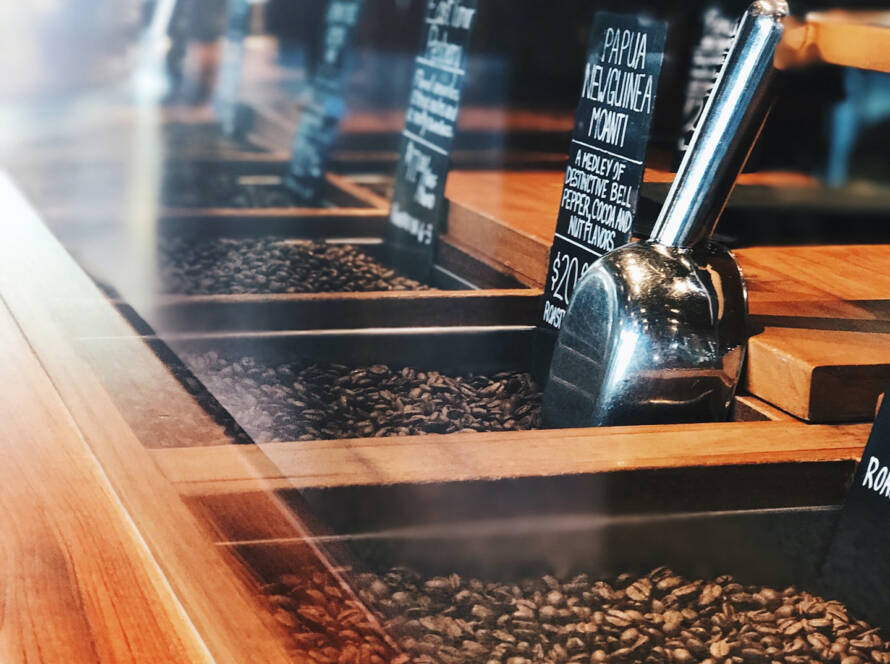


For European coffee roasters, wholesalers and manufacturers, sourcing Robusta coffee involves balancing price, quality, availability and supply chain reliability. While purchasing through a European distributor may be convenient, buying directly from a producing country such as Uganda offers an alternative worth considering. Robusta coffee supplier Europe
Businesses searching for a Robusta coffee supplier in Europe should therefore look beyond the geographical location of the supplier. The more important question is which sourcing arrangement best serves their commercial interests.
Direct sourcing can offer greater control over product specifications and origin traceability, but it also introduces additional responsibilities.
This guide compares the two purchasing models and examines what European buyers should consider before importing Ugandan Robusta.
Why European Businesses Buy Robusta Coffee
Robusta plays an important role in the European coffee industry, serving different market segments and commercial applications.
Espresso manufacturers often incorporate Robusta into blends to achieve greater body, intensity, and crema. Instant coffee manufacturers use it for its extraction characteristics, while commercial roasters may combine Robusta with Arabica to achieve particular flavour profiles and manage production costs.
There is also growing interest in fine Robusta among roasters exploring alternatives to conventional commercial grades.
The Centre for the Promotion of Imports from Developing Countries (CBI) provides information about European coffee market opportunities, buyer requirements and consumer trends.
For suppliers and buyers alike, these varied applications demonstrate why Robusta should not be treated as a uniform commodity. Different businesses require different grades, physical specifications, and sensory characteristics.
Buying From a European Distributor versus Directly From Uganda
Whichever purchasing model you choose, it will have its advantages and limitations. The appropriate choice depends on the buyer’s order volumes, financial resources, storage capacity, and experience managing international transactions.
The following comparison highlights some important commercial differences.
| Consideration | European distributor | Direct sourcing from Uganda |
| Order quantities | Often accommodates smaller orders | Larger orders may be more economical |
| Delivery times | Potentially shorter when stock is locally available | Requires international transport planning |
| Pricing | May include warehousing and distribution margins | May offer more direct access to origin pricing |
| Product selection | Limited to available inventory | Potential for sourcing specific grades and lots |
| Traceability | Depends on distributor records | Potential for closer engagement with origin suppliers |
| Import responsibilities | Generally handled upstream | May fall partly on the buyer |
For smaller roasters, purchasing from a European warehouse may make greater financial sense. Businesses with predictable demand and sufficient purchasing capacity may find direct sourcing more attractive.
Neither arrangement automatically guarantees lower prices or better quality.
What Makes Uganda a Relevant Robusta Sourcing Destination?
Uganda has a long history of Robusta cultivation and is one of Africa’s major coffee-producing and exporting countries.
Robusta is grown across several regions. These include areas adjacent to Lake Victoria and central and western Uganda. The country’s coffee industry involves producers, processors, traders, and exporters serving international markets.
For European buyers, Uganda offers opportunities to source different Robusta grades according to their manufacturing or roasting requirements.
For example, buyers seeking larger beans may investigate Screen 18 Robusta, while manufacturers producing commercial blends may prioritise other specifications that offer an appropriate balance between performance and cost.
However, bean size should not be confused with overall quality. Moisture content, defect levels, processing standards and cup characteristics remain important purchasing considerations.
Buyers can consult Uganda’s Ministry of Agriculture, Animal Industry and Fisheries for information about the country’s coffee sector and agricultural production.
Understanding the True Cost of Importing Robusta into Europe
There is a reason businesses consider buying directly from Uganda: the possibility of reducing intermediary costs. However, comparing an origin quotation with a European warehouse price without accounting for additional expenses can produce misleading conclusions.
Buyers should calculate the total landed cost of the coffee.
Consider the following hypothetical example involving an 18-tonne shipment.
| Cost component | Illustrative amount |
| Green coffee at US$4.00/kg | US$72,000 |
| Transport, freight and insurance | US$4,500 |
| Clearance, handling and other expenses | US$2,000 |
| Total estimated landed cost | US$78,500 |
| Effective cost per kilogram | US$4.36 |
These figures are illustrative rather than current market quotations. Actual expenses depend on the destination, delivery terms, transport arrangements and applicable taxes.
The example demonstrates why a lower initial coffee price does not necessarily translate into equivalent savings. Robusta coffee supplier Europe.
Buyers should also consider financing costs, currency fluctuations and the expense of storing larger quantities.
The International Coffee Organisation provides market information that can help businesses understand broader movements in international coffee prices.
European Regulatory and Traceability Requirements
European businesses considering direct coffee imports must understand the regulatory responsibilities associated with bringing agricultural products into their markets.
Buying from a European distributor generally means that some import compliance requirements have already been addressed upstream. Direct purchasing may place additional obligations on the buyer.
The European Union Deforestation Regulation
The European Union Deforestation Regulation (EUDR) has significant implications for coffee sourcing.
The regulation requires relevant businesses placing coffee on the European Union market to demonstrate that it was produced legally and did not originate from land deforested after 31 December 2020.
According to the European Commission’s EUDR guidance, the regulation’s principal application dates are:
- 30 December 2026: Large and medium-sized operators.
- 30 June 2027: Most micro and small operators.
For European coffee importers, access to production information, farm geolocation data and supporting documentation is therefore an increasingly important supplier selection consideration.
Buyers should establish whether prospective Ugandan suppliers can provide the information required to support their due diligence obligations.
Food safety requirements
Green coffee entering the European Union must meet applicable food safety requirements. Some of these requirements include those relating to pesticide residues and relevant contaminants.
Poor harvesting, drying, handling and storage practices can introduce risks that affect coffee quality and regulatory compliance.
The European Commission’s food contaminants guidance explains the regulatory framework governing contaminants in food products.
Buyers should discuss quality testing, inspection arrangements and supporting documentation with suppliers before committing to shipments.
Customs and import documentation
Direct imports also require attention to customs procedures, product classification and applicable taxes.
The documentation required may depend on the destination country, shipment arrangements and product specifications.
Importantly, Europe and the European Union are not interchangeable. Countries such as the United Kingdom and Switzerland operate their own regulatory and customs frameworks. Robusta coffee supplier Europe.
Buyers should confirm the requirements applicable to their specific destination before arranging shipments.
When Does Buying Robusta Directly From Uganda Make Commercial Sense?
Direct sourcing is particularly worth investigating when a business has established demand, predictable consumption patterns, and the resources to manage international purchasing.
However, the decision should reflect operational requirements rather than the assumption that eliminating intermediaries always produces savings.
Direct purchasing may be suitable when a business:
- Consumes sufficient quantities to make international freight economical.
- Requires specific coffee grades or quality characteristics.
- Has sufficient storage capacity and working capital.
- Wants greater visibility into coffee origins and production practices.
- Can manage import procedures independently or through specialist logistics partners.
Businesses do not necessarily need to abandon their existing European suppliers. A hybrid sourcing model can provide flexibility, combining direct imports for predictable demand with local purchases for unexpected requirements or smaller orders.
Choosing a Robusta Supplier for the European Market
Whether sourcing through a European distributor or directly from Uganda, buyers should evaluate suppliers against clearly defined commercial and quality requirements.
Request representative coffee samples, measurable product specifications, and written quotations. Establish whether the supplier is able to sustain consistent quality across successive shipments and provide relevant traceability documentation.
Delivery responsibilities should also be clearly documented. The International Chamber of Commerce’s Incoterms rules provide a framework for determining how transportation costs, responsibilities and risks are allocated between buyers and sellers. Robusta coffee supplier Europe.
A dependable sourcing relationship requires transparency about what each party can deliver. Buyers should therefore independently verify supplier credentials, export authorisation and proposed payment arrangements before making substantial financial commitments.
Is Uganda the Right Robusta Sourcing Destination for Your Business?
For businesses searching for a Robusta coffee supplier in Europe, buying directly from Uganda represents an additional sourcing option rather than an automatic replacement for European distributors.
The commercial advantages depend on purchasing volumes, landed costs, quality requirements, and the ability to manage regulatory and logistical responsibilities.
For businesses with established demand, direct sourcing may provide greater influence over purchasing arrangements and opportunities to develop long-term relationships with origin suppliers.
Considering importing Robusta coffee directly from Uganda? Contact Uganda Coffee Suppliers to discuss available coffee grades, purchasing quantities, traceability requirements, and export quotations tailored to your European business.
Related Links
Estimated reading time: 7 minutes